
Why Chilean Patagonia
Chile’s southern latitudes feel vast and uncluttered: a long fjord coast, ice fields that calve into cobalt water, and a steppe where guanacos draw clean silhouettes against the wind. Torres del Paine is the icon—deservedly—yet the story widens in Puerto Natales’ calm fjords and along the Carretera Austral, where forests, rivers, and small lodges reward unhurried travel.
The luxury here is time and space: day hikes with lodge return, small-boat navigations beneath glacier faces, and evenings of clear light through long windows. Choose precision over pace; Patagonia reveals more when you resist the urge to do everything at once.
Itinerary ideas
Use these modular frameworks as starting points. Pick by season, light, and preferred rhythm—not by checklists.
1) Torres del Paine & Fjords (7–9 days)
- Puerto Natales (1–2 nights): Settle by the Última Esperanza fjord; short navigation to Balmaceda/Serrano glacier if weather aligns.
- Torres del Paine (4–5 nights): Privately guided day hikes (French Valley segment, Grey Lake bergs, tower viewpoint if conditions permit). Evenings at a design-led lodge with spa circuits.
- Steppe/Estancia buffer (1 night): Horseback across open country, long lunch in wind-sheltered quinchos.
2) Paine & Carretera Austral Contrast (10–12 days)
- Torres del Paine (4 nights): Two full days of hiking plus a Grey navigation for ice views.
- Balmaceda/Coyhaique (3–4 nights): Fly north into Aysén; base near rivers and hanging glaciers, with forest trails and marble caves by short drive.
- Free day for weather: Keep one flexible day—Patagonian light can surprise when wind settles after a squall.
3) Gentle Adventure & Wellness (8–10 days)
- Puerto Natales (3 nights): Fjord navigation, coastal walks, and a slow food focus.
- Paine rim lodge (4–5 nights): Shorter ridge trails, photography sessions, and spa time with wide-angle windows over turquoise water.
How to choose between regions
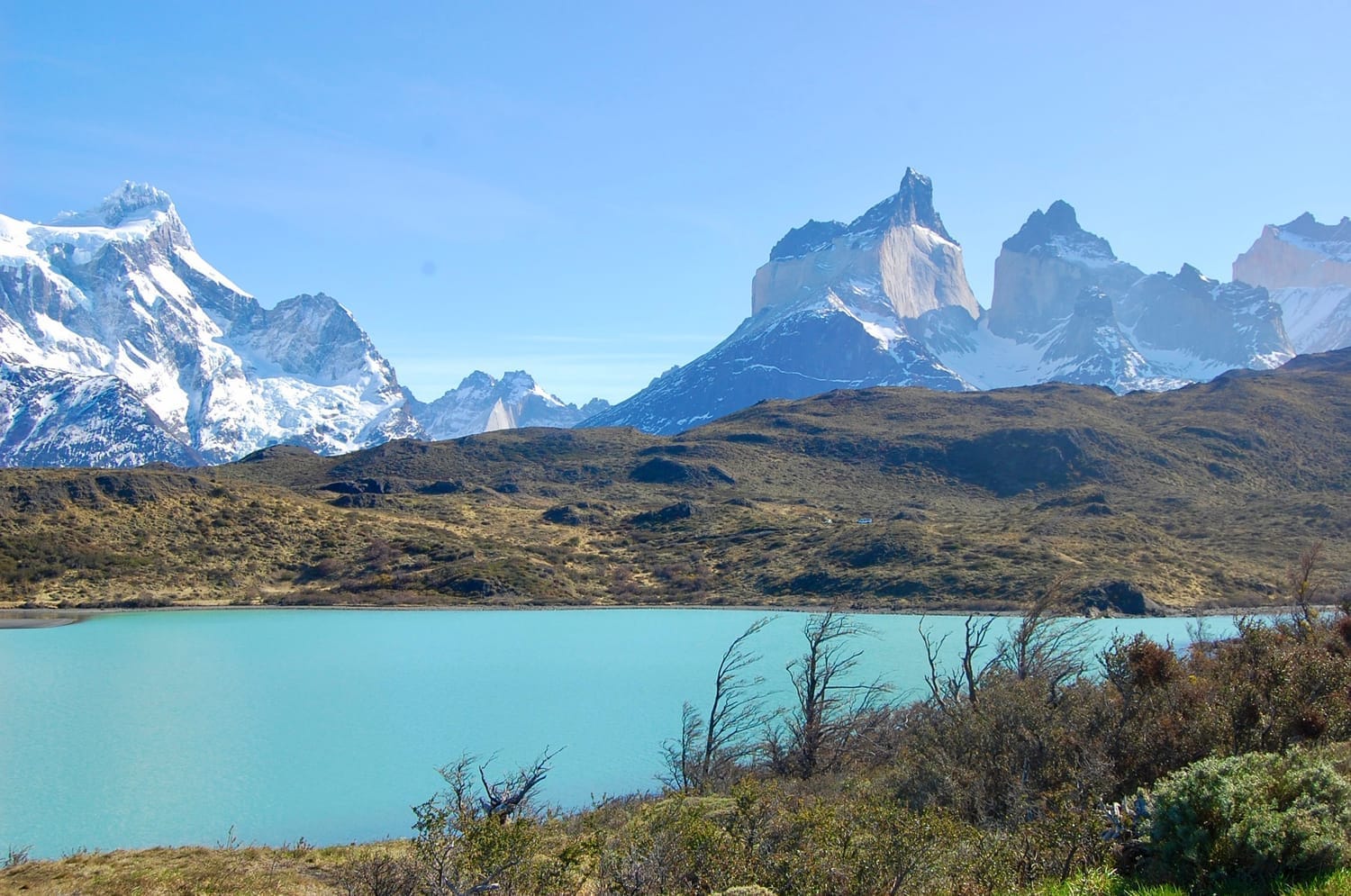
Torres del Paine concentrates iconic scenery—granite towers, the Cuernos, glacier blue—and world-class day hiking with strong lodge infrastructure. Puerto Natales & fjords slow the pace with navigations, seafood culture, and softer weather windows. Carretera Austral (Aysén) trades landmarks for intimacy: rivers, forests, small owner-hosted inns, and a sense of being wrapped by green mountains.
If you want dramatic day hikes and varied terrain in a single base, choose Paine. If you prefer mixed days on water and steppe with less pressure on “the shot,” anchor in Natales. If you enjoy slower roads, deep greens, and fewer visitors, bend north into Aysén.
When to go & climate
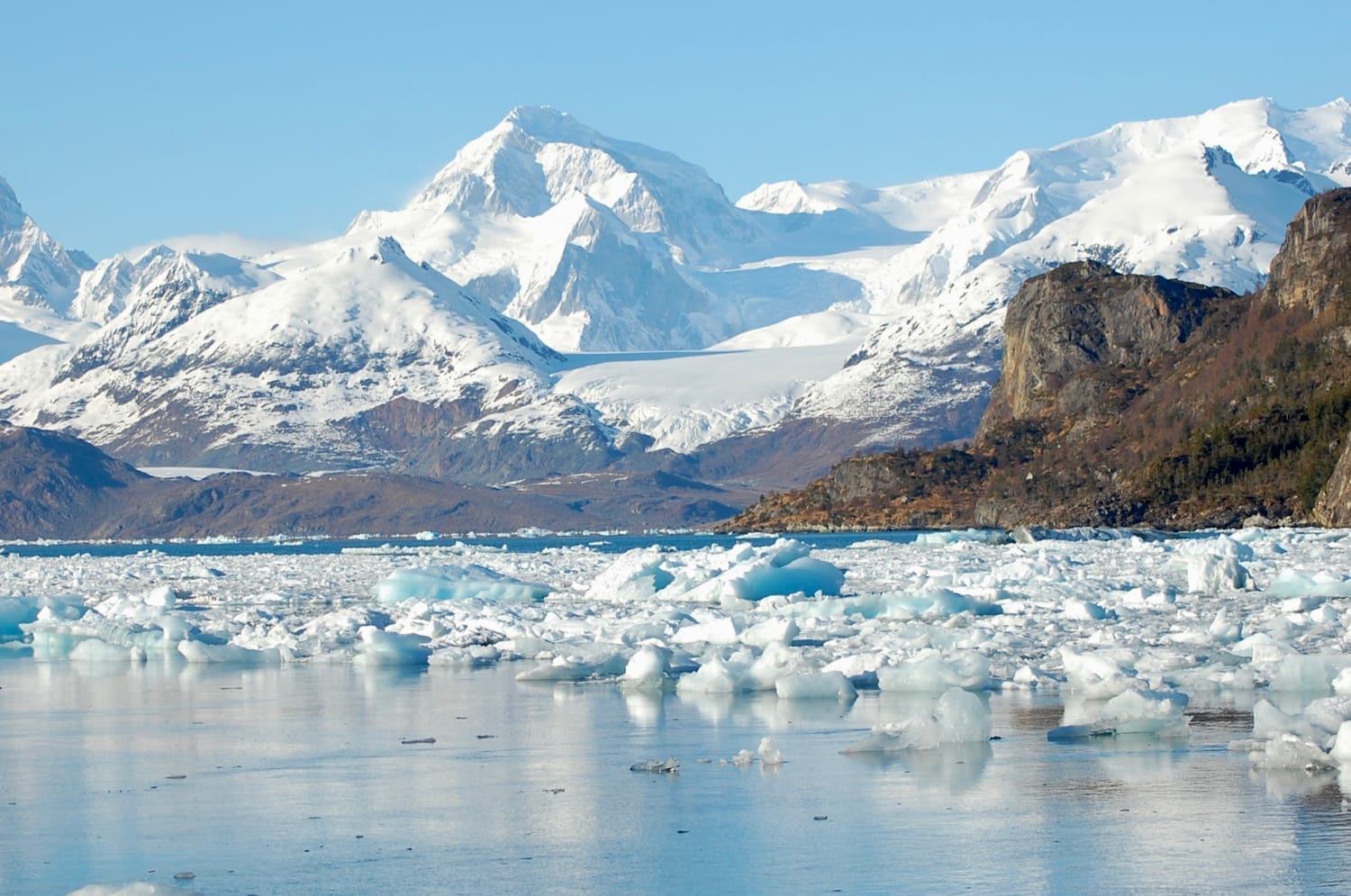
The classic window runs October to April. Summer (Dec–Feb) brings the longest days and easier boat logistics; shoulder months often yield calmer trails, rich colour in lenga forests, and fewer people. Wind can rise any time—mornings are typically friendlier for exposed passes, with afternoons in forested lee slopes.
- Spring (Oct–Nov): Fresh greens, snow lingering on ridges, active wildlife. Unstable hours balanced by luminous skies.
- Summer (Dec–Feb): Big daylight and full programs; book early, start early, and keep a flexible “weather hour.”
- Autumn (Mar–Apr): Amber forests, photogenic contrasts, and a quieter mood—an insider favourite.
Costs & budgeting
Think in tiers—rates shift with season, location, and whether guided explorations are included.
- Comfort / Mid-range: Guesthouses in Puerto Natales or modest lodges on Paine’s rim; day tours à-la-carte; conservation/park fees paid per entry.
- Premium: Design-led lodges with included guided outings, spa access, and small-group or private hikes; navigations coordinated.
- Luxury: Top-tier lodges with extensive inclusions, private guiding options, and refined wellness spaces oriented to sunset light.
What drives cost up or down
- Location & views: Inside-park or lake-edge rooms command premiums; wind-sheltered orientations are prized.
- Inclusions: Programs with guides, gear, and navigations bundled reduce friction but lift nightly rates.
- Transfers: Private drivers vs. self-drive in Aysén; occasional charters save time on complex pairings.
- Seasonality: Peak summer prices rise; shoulders offer value without compromising experience.
For precise numbers, align dates and bases; as needed, Aurora Atlas coordinates quotes with local partners and secures key time slots.
Planning fundamentals
Anchor the journey in two bases
A 3–4 night stay in or near Paine plus 2–3 nights by the fjords or in Aysén keeps transfers humane and lets you follow the light. Two bases mean you can shift a hike by a day if wind peaks, instead of losing the experience altogether.
Day hikes with lodge return
You do not need to commit to the full W/O circuits to access signature views. Private guides pick the right valley for the day: a segment into the French Valley for hanging glacier drama, a calmer ridge if gusts rise, or a Grey Lake walk to watch icebergs roll past.
Small-boat navigations
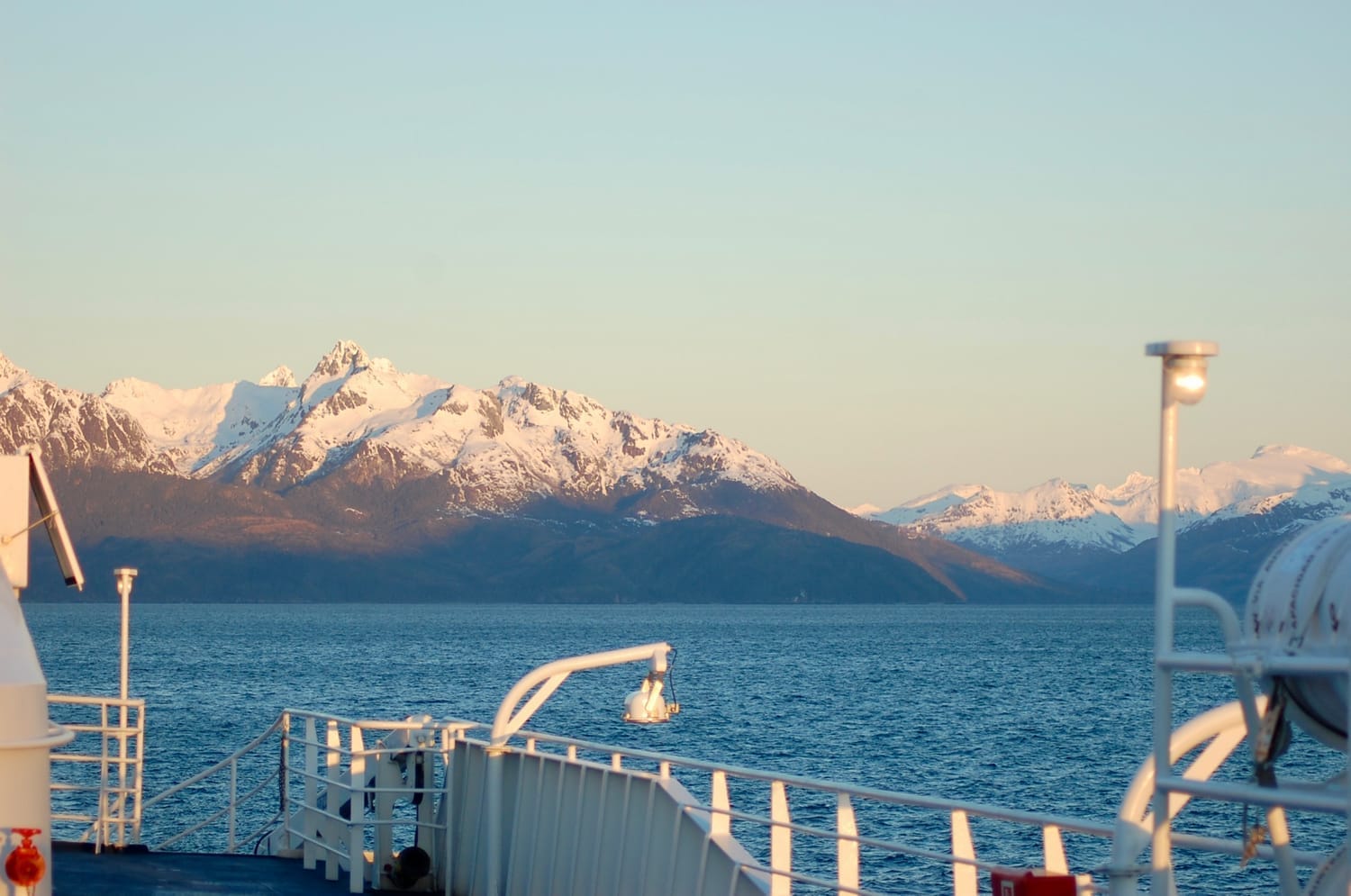
From Natales, boats nose into channels where glacier air turns the wind cold. Smaller craft reach closer, and departures can be timed to the day’s weather rather than a rigid bucket-list slot.
Self-drive or private drivers?
In Aysén, self-drive suits curious travellers—traffic is light and viewpoints frequent. Around Paine, private drivers absorb fatigue and let you pivot quickly when windows open.
Packing for changeable weather
- Layering system (base, warm mid-layer, wind/waterproof shell)
- Warm hat and light gloves year-round; sunglasses for glacier glare
- Comfortable trail shoes (ankle support optional for day hikes)
- Soft duffel for internal flights and lodge transfers
Responsible travel principles
- Stay on marked trails: Alpine vegetation recovers slowly; short cuts scar fragile slopes.
- Wildlife distance: Use optics; let animals decide the encounter length.
- Waste & water: Refill bottles, reduce single-use plastics, and respect lodge conservation measures.
- Local benefit: Choose estancias and artisans whose work roots families to place; ask lodges about hiring and sourcing practices.
- Quiet observation: Engines off when paused; voices low near wildlife and viewpoints.
Wildlife
The steppe silhouettes guanacos and rheas against clean horizons while condors circle over cliffs. In quieter valleys foxes slip through brush; puma sightings are possible with specialist trackers who prioritise distance and animal welfare.
- Best light: Early/late hours for condors and grazing guanacos.
- Viewing stance: Engines off, voices low, optics over approach.
- Seasons: Spring for newborns; autumn for colour and calmer trails.
FAQ
Do I need multi-day trekking experience?
No. With private guides you can curate day hikes to key viewpoints and still return to the lodge each evening. Full circuits remain available for seasoned trekkers.
How windy is it?
Wind is part of the theatre. Expect gusts on exposed passes in summer and calmer pockets in forests. Early starts and flexible plans make it exhilarating rather than limiting.
Can I combine Chilean and Argentine Patagonia?
Yes, with time. Border crossings add logistics; consider a focused Chile trip for a week, and a bi-national plan for 10–12 days or more.
What about connectivity?
Most lodges offer reliable Wi-Fi in common areas and selected rooms. Speeds drop in fjord zones—treat Patagonia as a place to look, walk, and rest.
When should I book?
Peak summer space in small lodges is limited—secure months ahead. Shoulder seasons are more flexible but still reserve core elements early.
Country Tips (practical)
1) Entry & documents
Check visa needs by nationality; keep passport validity adequate. Internal flights connect Santiago with Puerto Natales, Punta Arenas, and Balmaceda.
2) Money
Chilean Peso. Cards widely accepted in towns and lodges; carry small cash for rural stops and fuel in Aysén.
3) Power & plugs
220V, type C/L plugs. Bring a universal adapter and a small power bank for long hiking days.
4) Safety & driving
Roads in Paine can be windy and unpaved; drive cautiously. In Aysén, traffic is light but distances are long—fuel up ahead of time.
5) Dining
Expect king crab, lamb, river fish, and Calafate berries. Many lodges emphasise local sourcing and slow evenings with large windows onto the light.
6) Tipping
Common in hospitality; many lodges provide guidance envelopes for staff funds. Ask on arrival for norms.
7) Health & gear
Weather shifts fast—layers and a shell are essential year-round. Sun can be strong even on cool days; glacier glare warrants sunglasses.
8) Photography
Carry a lens cloth for spray and ice mist; a compact tripod or beanbag helps in wind. Respect wildlife distance—elegance is in quiet observation.