
Why a responsible approach matters
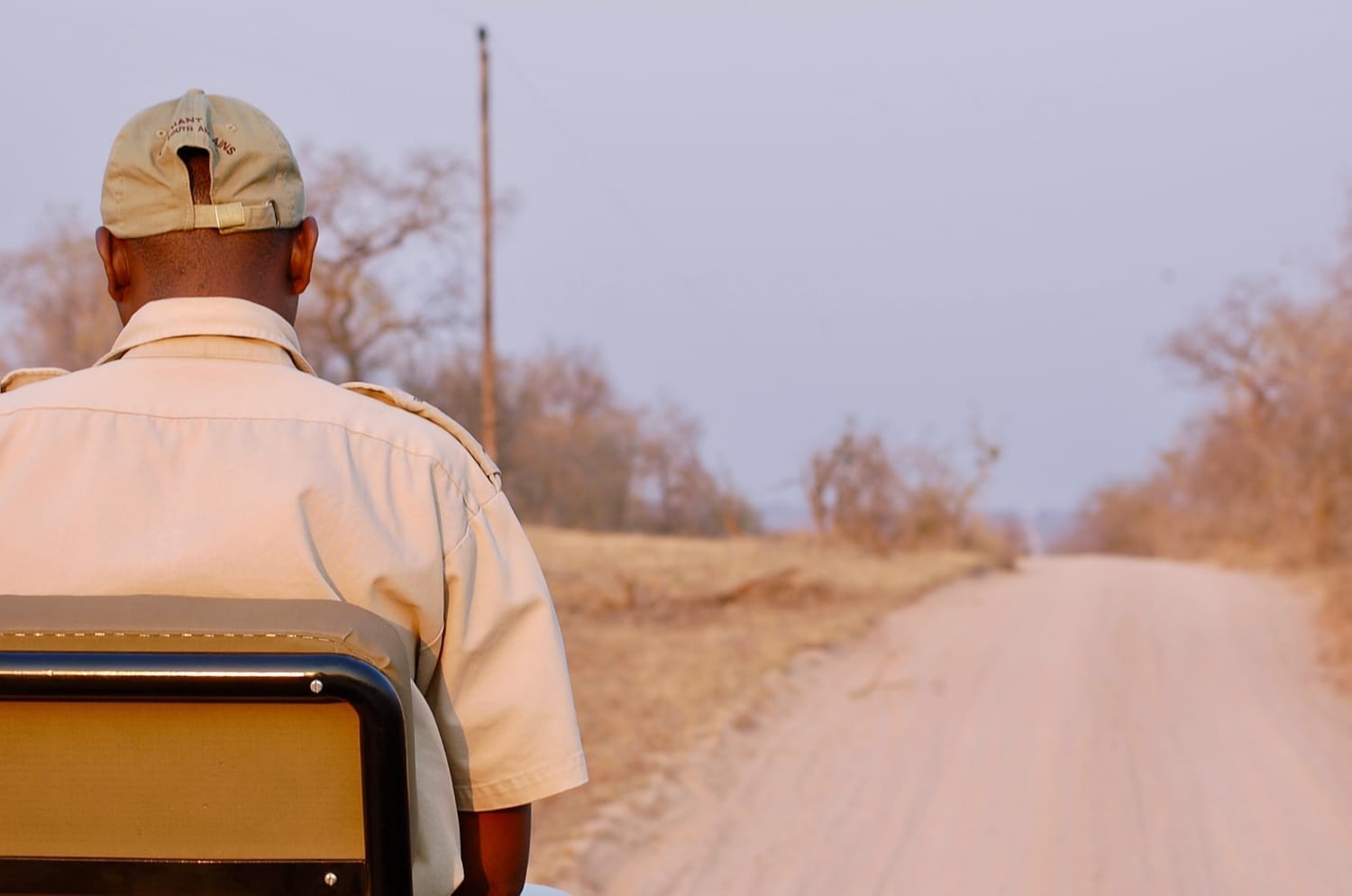
Safari choices ripple through ecosystems and communities. Vehicle behaviour affects animal stress; lodge water and waste policies shape local resources; supply chains determine how much value stays nearby. Done well, ethical safaris pair extraordinary sightings with a gentle footprint, rewarding operators who invest in habitat protection, fair employment, and science-based management.
South Africa is well-suited to responsible safaris thanks to its mix of national parks, private reserves that limit vehicle density, and community conservancies that channel revenue and training to local partners. With clear frameworks, your ethics can shape the outcome as much as your route.
Itinerary ideas
Use these modular frameworks as starting points. Choose by season, learning goals, and preferred pace—not by ticking every list.
1) Kruger & Private Reserves Focus (7–9 days)
- Greater Kruger (3–4 nights): Mix a national park rest camp (self-drive by day) with an adjoining private reserve that enforces strict vehicle limits per sighting.
- Panorama Route buffer (1 night): Escarpment viewpoints and waterfalls between game areas.
- Second private reserve (2–3 nights): Prioritise lodges with strong guide training and transparent conservation levies.
2) Cape to Kalahari Contrast (10–12 days)
- Cape Town (3 nights): Coastal biodiversity and fynbos hikes with respectful distances in marine colonies.
- Winelands (1–2 nights): Water-wise vineyards and alien-plant removal initiatives.
- Arid-zone reserve (4–5 nights): Semi-desert cheetah and raptor country; sensitive dune driving standards are essential.
3) Family-Friendly Malaria-Free Safari (7–8 days)
- Eastern/Northern Cape private reserve (4 nights): Malaria-free zones with child-focused ranger programmes.
- Garden Route (3–4 nights): Forest walks and conservation centres focused on rehabilitation and release (avoid entertainment-led interactions).
How to choose between routes
Let season and learning goals lead. For apex predators with calmer sightings, select private reserves with strict density rules. If independence and value matter, pair a national park segment with a shorter private-reserve stay for guiding depth. For families, prioritise malaria-free options and lodges with age-appropriate activities that never compromise wildlife welfare.
When to go & climate
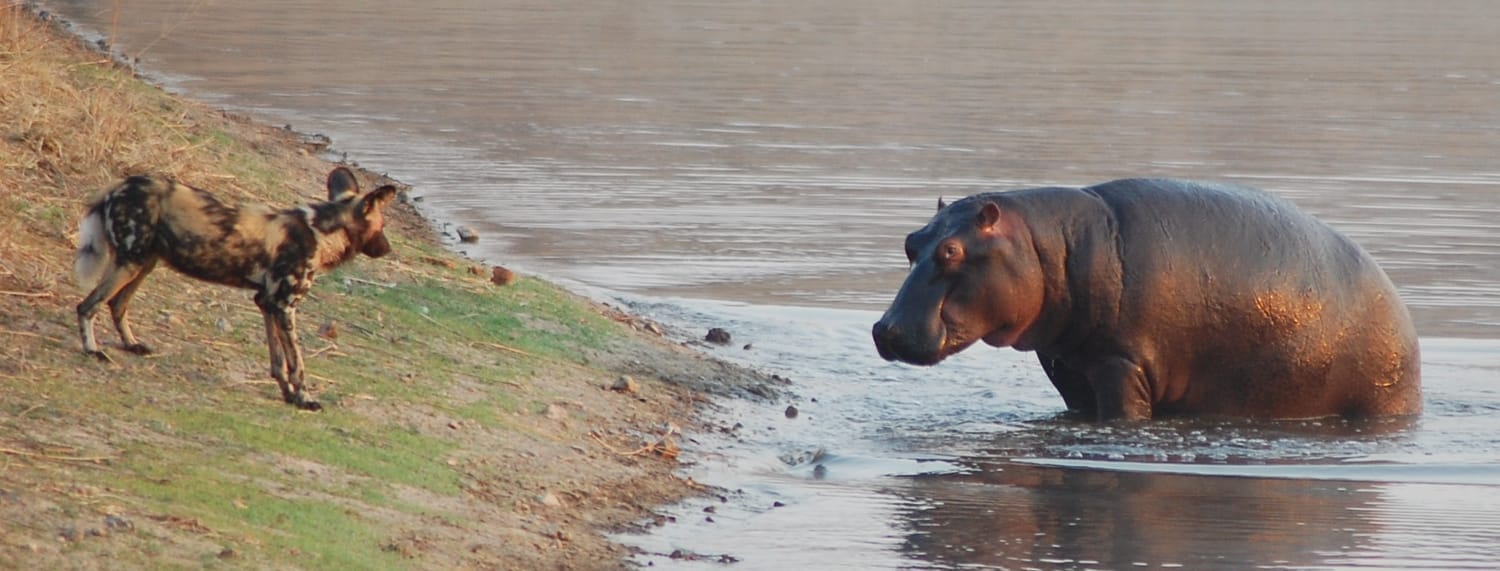
Seasonality shapes behaviour and travel comfort. Dry months in savannah systems often mean thinner grass and animals at waterholes; green seasons bring rich birding, newborns, and dramatic skies. Coastal/Mediterranean climates follow different calendars.
- Savannah & bushveld (Kruger & private reserves): Dry, cooler months typically offer easier visibility; wet months mean lush landscapes and abundant birdlife.
- Western Cape & Garden Route: Mediterranean patterns bring wetter winters and dry summers; spring blooms and autumn light are superb for photography.
- Kalahari-style systems: Large temperature swings; summer storms are spectacular but demanding—plan drives at the day’s edges.
Costs & budgeting
Think in tiers rather than exact numbers—rates shift with season, location, and lodge policy.
- Comfort / Mid-range: National park rest camps or modest private lodges; shared drives; conservation fees per entry/night.
- Premium: Intimate lodges on private reserves; guide–tracker teams; fewer vehicles; flexible schedules; levies included.
- Luxury: Top-tier lodges with ecological design, specialist guides, limited vehicles, and research/community partnerships.
What drives cost up or down
- Vehicle density rules (strict caps usually cost more but protect behaviour).
- Conservation & community levies (transparent funds for anti-poaching and training).
- Logistics (charters save time; road transfers save money).
- Season (peak windows lift rates; shoulders offer value).
For precise numbers, align dates and route, Aurora Atlas coordinates with local partners. Tip: verify with official park tariffs and operator inclusions.
Planning fundamentals
Blend national parks and private reserves
A hybrid plan works beautifully: a few nights self-driving in a national park to learn tracks and bird calls at your pace, followed by a private reserve for expert guiding and controlled sighting etiquette. You gain independence and depth in a single itinerary.
Operator ethics checklist
- Vehicle policy: Max vehicles per sighting; respectful distances; no crowding of hunts or dens.
- Guiding standards: Qualifications, ongoing training, ecologically sound off-road protocol.
- Community benefit: Fair employment, local procurement, scholarships, published reports.
- Conservation practice: Partnerships with reserves, anti-poaching units, research teams; transparent levy use.
- Waste & water: Greywater systems, plastic reduction, and renewable energy where feasible.
Self-drive safety & etiquette
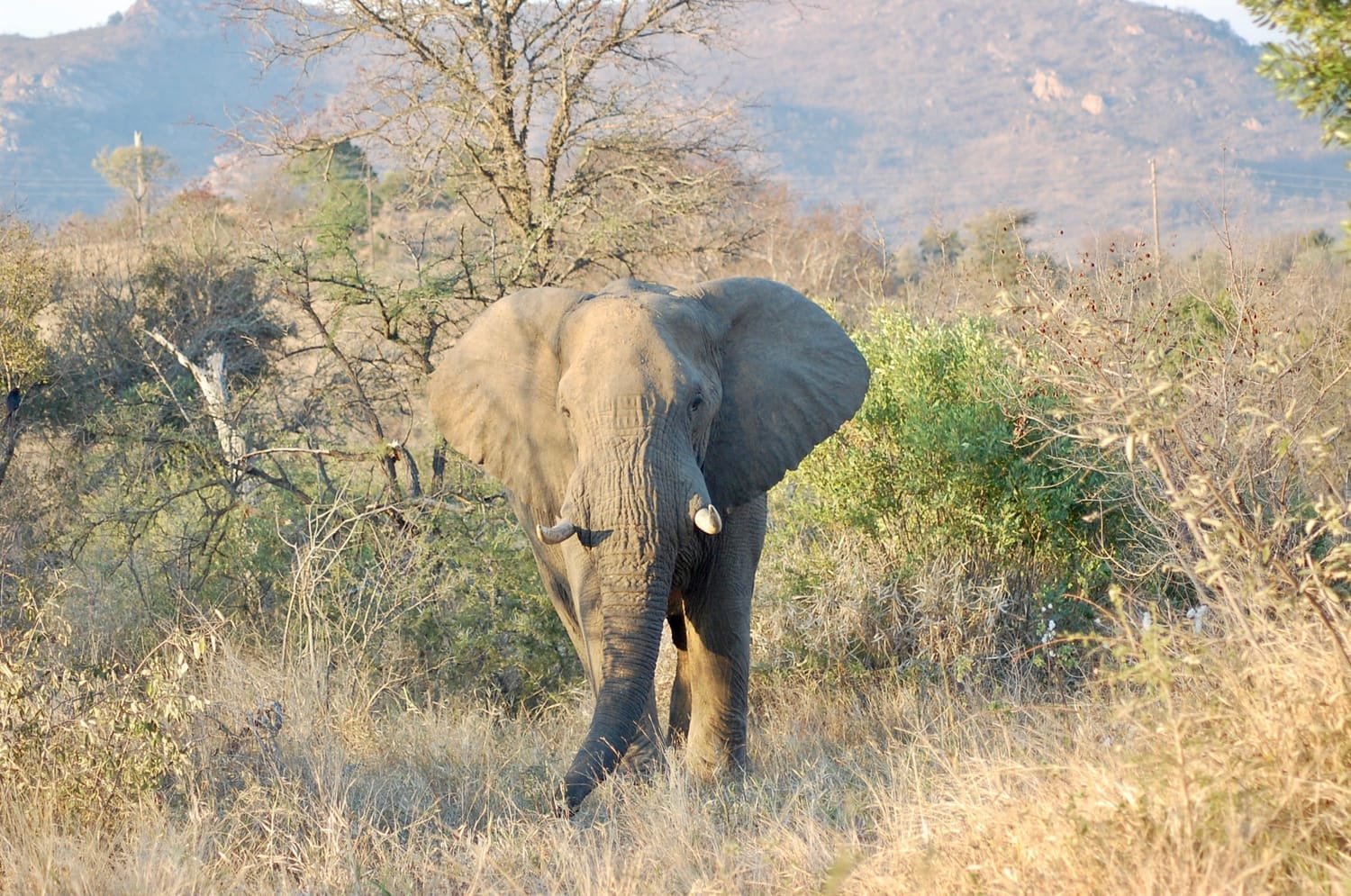
Keep speeds low, engines off at sightings, and voices down. Never feed animals or imitate calls. Yield space to elephants and big cats; if behaviour changes due to your presence, you are too close.
Permits, entries & practicalities
Gate hours, conservation fees, and speed limits are strictly enforced in national parks. Private reserves handle entries via your lodge. Drone use is generally prohibited for wildlife protection. Build buffers for weather and traffic on flight–road connections.
Responsible travel principles
- Distance first: Let animals set the terms—zoom with optics, not bumpers.
- No baiting or harassment: Avoid spotlighting on breeding/den sites; never pressure animals for action.
- Silence matters: Radios only for safety; engines off at stops.
- People matter: Choose operators who hire and promote locally and invest in training.
- Plastic-smart & energy-wise: Refill bottles; decline single-use amenities when alternatives exist.
- Photography with consent: Ask before photographing staff or community members; tip fairly.
FAQ
Is a responsible safari possible on a mid-range budget?
Yes. Combine national park rest camps (self-drive by day) with a shorter stay at a private reserve that enforces vehicle limits and supports local jobs.
Do I need a 4×4 for national parks?
Many park roads are accessible in standard vehicles during normal conditions, but a high-clearance 4×4 widens options. Tip: verify current road status with park authorities close to travel dates.
What about close-up animal selfies or touching cheetahs?
Avoid any operation offering hands-on predator interactions or photo props. Ethical wildlife tourism prioritises natural behaviour and distance.
When should I book?
Secure peak-season spaces months ahead, especially in small private lodges. Shoulder seasons are flexible but still book core elements early.
Can I combine safari with Cape Town and the coast?
Absolutely. Many travellers pair Cape Town/Winelands with an Eastern or Northern Cape reserve, or fly to the Kruger area for a bush finale.
Country Tips (practical)
1) Entry & documents
Check visa needs by nationality; carry sufficient passport validity. Tip: verify with official government sites.
2) Safety basics
Use common sense in cities; keep safe distances in parks; exit vehicles only where allowed or with a walking guide.
3) Transport
Domestic flights connect hubs; car hire suits self-drive parks; private transfers are efficient for lodge access.
4) SIM & internet
Strong urban coverage; remote reserves may limit signal by design. Consider a local SIM/eSIM.
5) Money & tipping
Cards widely accepted; carry small cash in rural areas. Ask lodges for tipping guidance for guides and trackers.
6) Health
Consult a travel health professional. Malaria risk varies by area and season; malaria-free reserves are available.
7) Etiquette
Greet staff and rangers; keep voices low on drives; be water- and energy-mindful at lodges.
8) Photography
Turn off flash for nocturnal species; avoid blocking paths; celebrate ethical distances in your images.