
Why these islands
From Dominica’s volcanic spines to Antigua’s harbours and Martinique’s gardens, the Lesser Antilles reward travellers who listen before they list. Languages mix—French, English, Creoles—along with rhythms, religions, and cuisines. The sea connects more than it divides: ferries, sailboats, and short flights stitch villages, markets, and reefs into one moving story.
Aurora Atlas curates culture-forward routes—local festivals when timing allows, rum and cacao traditions, Creole kitchens, and soft-adventure days on ridge lines or mangrove creeks—always with low-impact transport and locally owned partners wherever possible.
Island profiles (north to south)
Guadeloupe (Gwadloup) balances Basse-Terre’s rainforest and volcano with Grande-Terre’s beaches and small fishing communes. Markets brim with épices, bokit, and fresh marlin; hiking the national park leads to waterfalls under tree ferns.
Martinique blends gardens, distilleries, and yoles (traditional skiffs). Food culture shines—accras, Colombo, and rhum agricoles with terroir talk to match wine-world nuance.
Dominica (the “Nature Island”) is for walkers and river-swimmers—boiling lake hikes, hot springs hidden under breadfruit leaves, and coastal villages that keep traditions close.
Saint Lucia gives you twin Pitons, cocoa estates reborn as eco-lodges, and a music scene that runs late but friendly.
Barbados layers plantation history with a confident culinary voice, lively rum shops, and gentle west-coast seas for long swims.
Antigua & Barbuda favour harbours, beaches, and trade-wind sailing; Barbuda’s lagoon hosts birds and wide, quiet sands.
Grenada & the Grenadines are spice-scented and yacht-stitched: nutmeg hills, chocolate estates, and island-to-island hops by sail to coral anchorages.
Island-hopping ideas
Use these elegant frameworks as starting points; choose by season, music, and markets—not just by beach count.
1) Creole Culture & Volcano Trails (9–11 days)
- Guadeloupe (4 nights): Basse-Terre hikes, market tastings, rum agricole visit; a day on the leeward coast for calm swims.
- Dominica (3–4 nights): Boeri or Middleham Falls, hot springs, and a coastal village lunch; kayak or boat into a mangrove creek at dusk.
- Saint Lucia (2–3 nights): Cocoa estate tour, Soufrière hot springs, sunset from a ridge between the Pitons.
2) Gardens, Distilleries & Bay Life (8–10 days)
- Martinique (4–5 nights): Historic gardens, distillery terroirs, yole culture; coastal path segments in the south.
- Barbados (3–4 nights): West-coast snorkels and rum-shop evenings; plantation heritage mapped with local guides.
3) Sail & Spice (7–9 days)
- Grenada (3 nights): Spice estates, chocolate, and a coastal snorkel among sculptures.
- Grenadines (4–6 nights): Island-to-island by sail; reef-friendly moorings, beach barbecues that source locally, and starry anchorages.
Seasons & climate
Trade winds keep temperatures gentle most of the year. The driest windows often fall between December and April; the lush, more humid months run June to November, with short showers and quieter beaches. Festivals and sailing conditions vary by island—pair your route with what you hope to hear, taste, and see.
- Dry season: Brighter skies, lively sailing regattas, and easier inter-island hops; book early for peak dates.
- Green months: Richer foliage and fruit, warm seas, fewer crowds; brief showers refresh trails and gardens.
- Festival timing: Carnival periods rotate by island—plan far ahead for rooms close to events, or enjoy smaller community fêtes outside headline weeks.
Culture & etiquette
Island time is relational. Greetings set the tone—say hello in the local language, ask how the day is going, and listen. Markets are living classrooms; musicians and cooks are storytellers; boatyards and rum shops hold community memory. Photograph people with consent; pay fairly; learn the name of the dish and the person who made it.
- Greetings: Bonjour/bonsoir or good morning/afternoon opens doors; titles and respect for elders matter.
- Dress: Beachwear is for the beach—cover up in towns and places of worship.
- Music & fêtes: Follow the crowd’s lead; tip bands; keep space for dancers and elders.
- Foodways: Try callaloo, boudin, fresh fish court-bouillon, roti; ask about seasonal fruit and pepper preparations.
Responsible travel principles
- Reef respect: No touching coral; reef-safe sunscreen; fins off near seagrass where turtles feed.
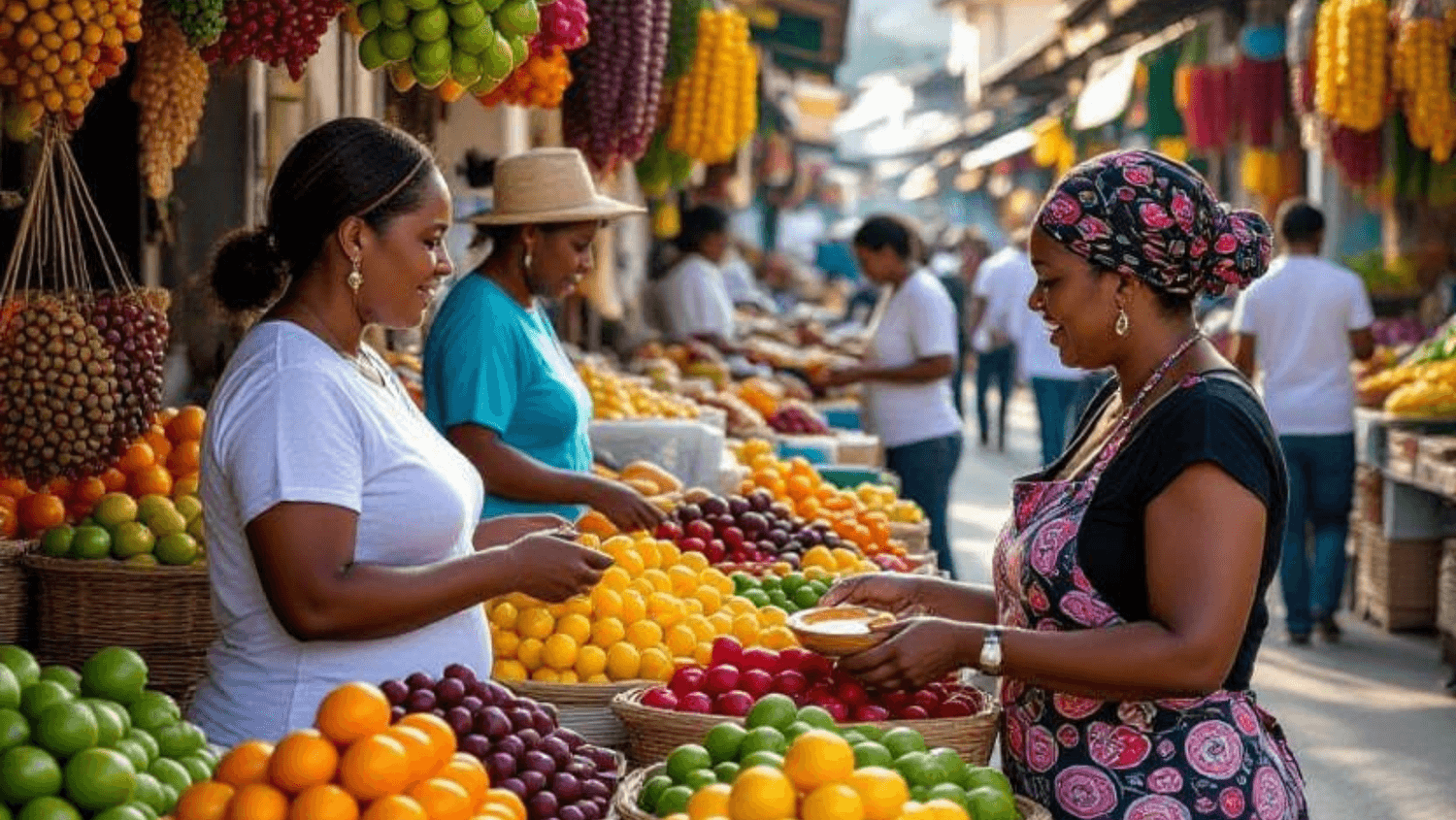
- Local benefit: Choose owner-run inns and guides; buy from market cooperatives and boatyards that train youth.
- Wildlife: Keep distance in turtle nesting zones; lights off on beaches at night; follow local wardens.
- Water & waste: Refill bottles, avoid single-use plastics, and support venues with sensible water practices.
- Sound levels: Sound carries over bays—keep music low near villages and moorings after dark.
FAQ
Is island hopping realistic without a yacht?
Yes. Short flights and scheduled ferries link most pairs; we combine them to minimise backtracking. Keep one buffer day in your plan.
Can I travel outside peak winter?
Absolutely. Green months bring lush hills, warm seas, and calmer crowds. We sequence days around showers and choose leeward coves.
Is English or French better?
Both appear across the chain; Creoles vary. A warm greeting in the island’s main language makes all the difference.
How do I keep it low-impact?
Use ferries where seas are calm, choose owner-run stays, eat seasonal, carry a bottle, and follow reef etiquette. Aurora Atlas curates partners aligned with these principles.
Practical tips
1) Documents & health
Check visa rules by nationality; carry adequate passport validity. Pack any prescriptions in original packaging; consider seasickness remedies for ferry days.
2) Money
Multiple currencies appear across the chain. Cards work widely in towns; keep small cash for markets, boats, and rural kiosks.
3) Connectivity
eSIMs cover many islands; sailing segments and remote bays may limit signal—download maps and playlists offline.
4) Packing
Light layers, a breathable long-sleeve for sun, reef-safe sunscreen, water shoes for rocky entries, and a small dry bag for ferries and skiffs.
5) Driving & boats
Left/right driving changes by island; verify before hire. On boats, brief on reef-safe moorings and lifejackets; respect quiet hours at anchor.
6) Festivals
Book early, embrace late nights, and follow local guidance on routes, costumes, and respectful photography.